Houston service guide
Water Heater Repair warning signs and system checks
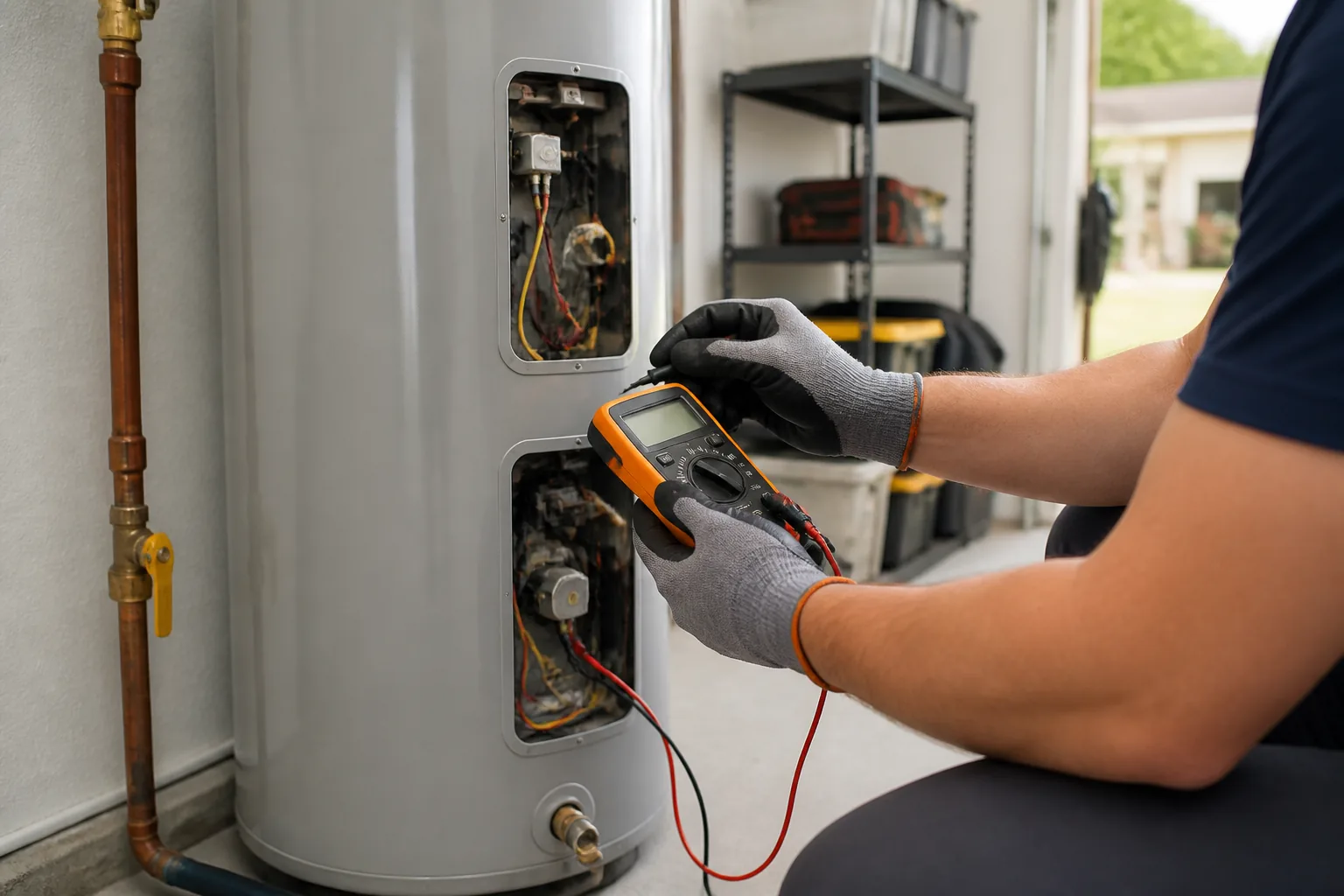
Houston properties may need water heater repair when a storage or on-demand unit is leaking, noisy, inconsistent, or not producing expected hot water. Before parts are selected, note the equipment type, fuel or power source, model information, age, error history, first leak location, temperature pattern, and whether the condition affects one fixture or the whole hot-water system.
The service boundary includes the heater, controls, safety devices, fuel or power supply, venting, valves, and connected piping. A useful diagnosis separates the named repair from a capacity problem, distribution issue, utility interruption, unsafe installation condition, or tank and heat-exchanger failure that needs a different response.
Gas, electric, tankless, and connection repair coverage
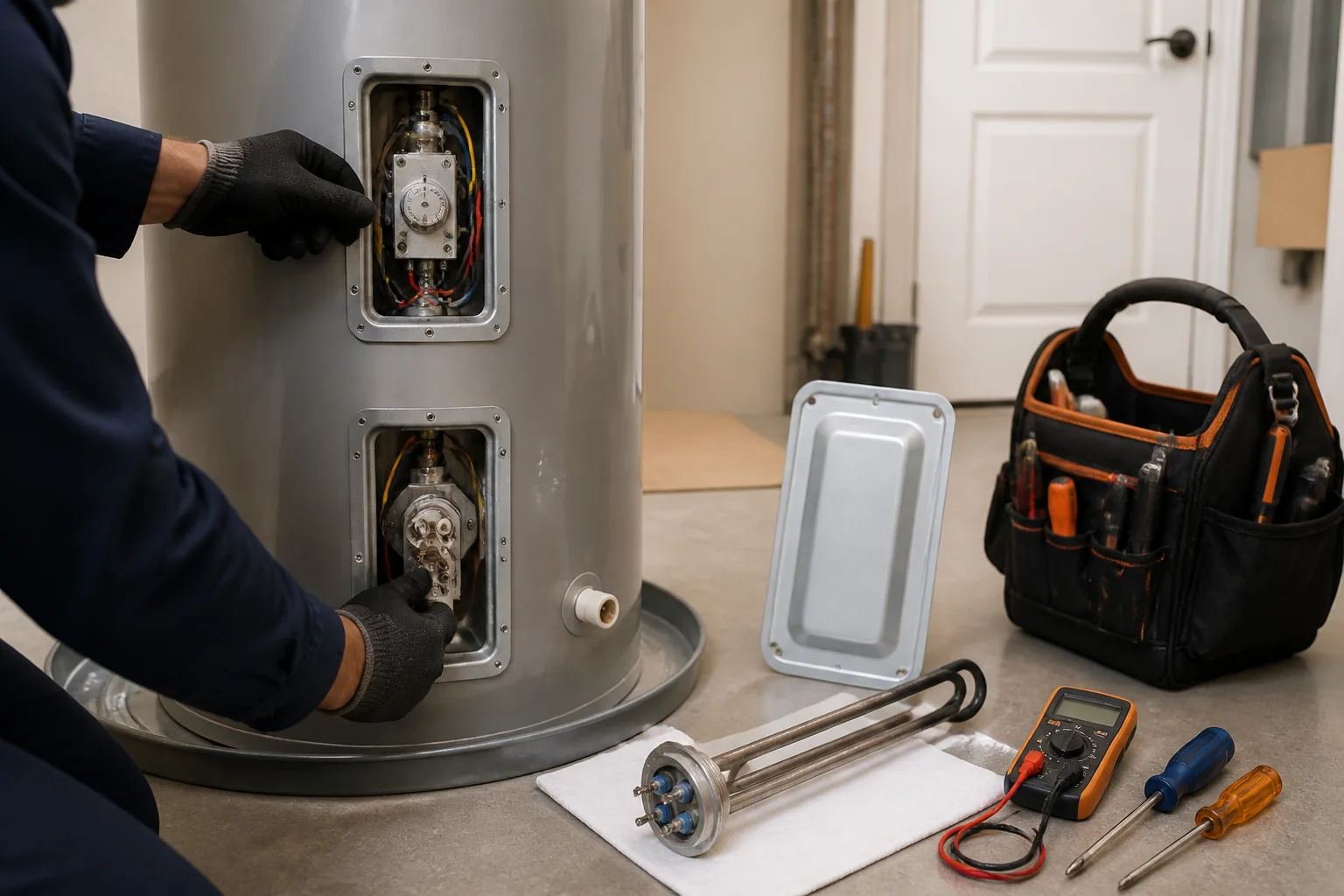
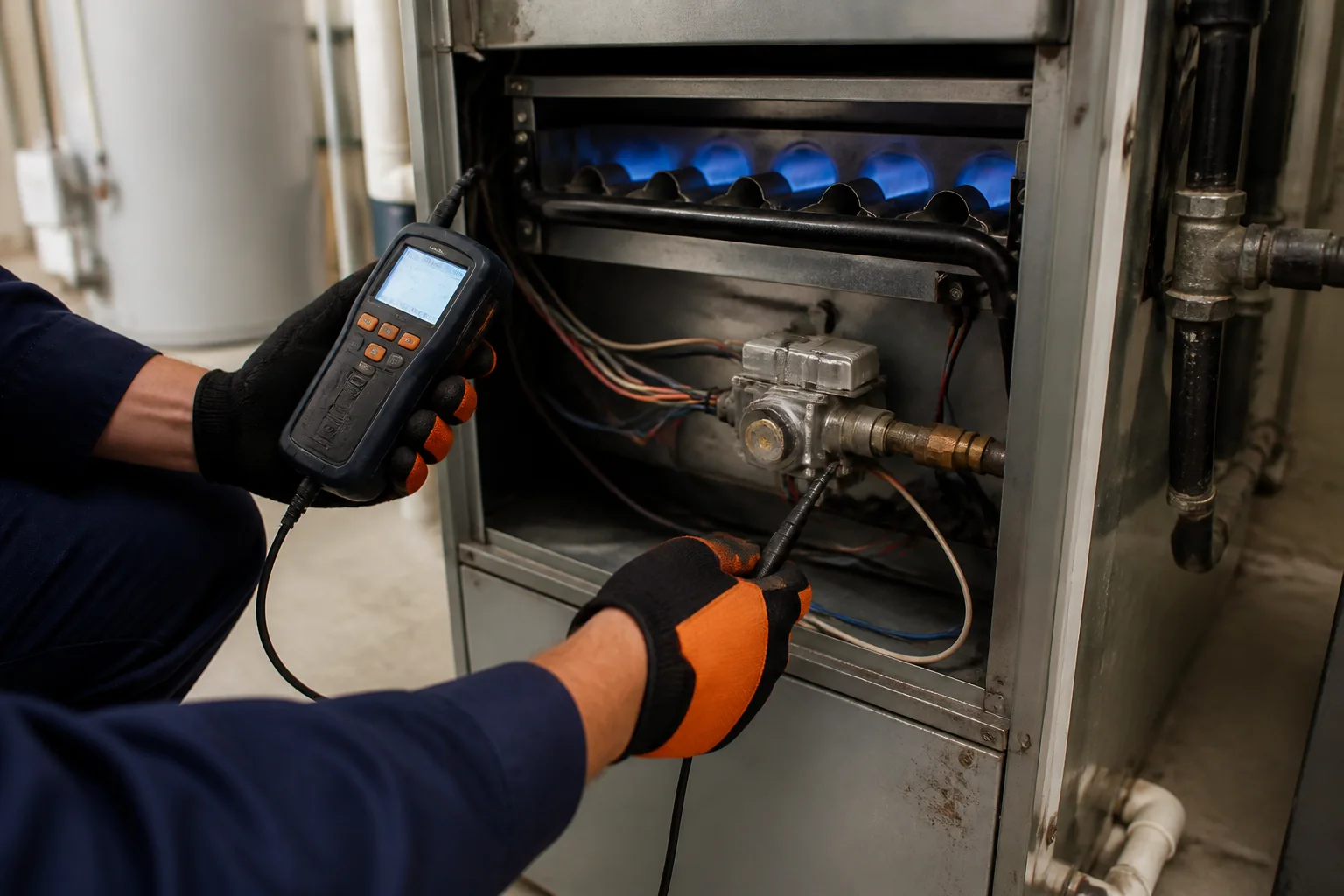
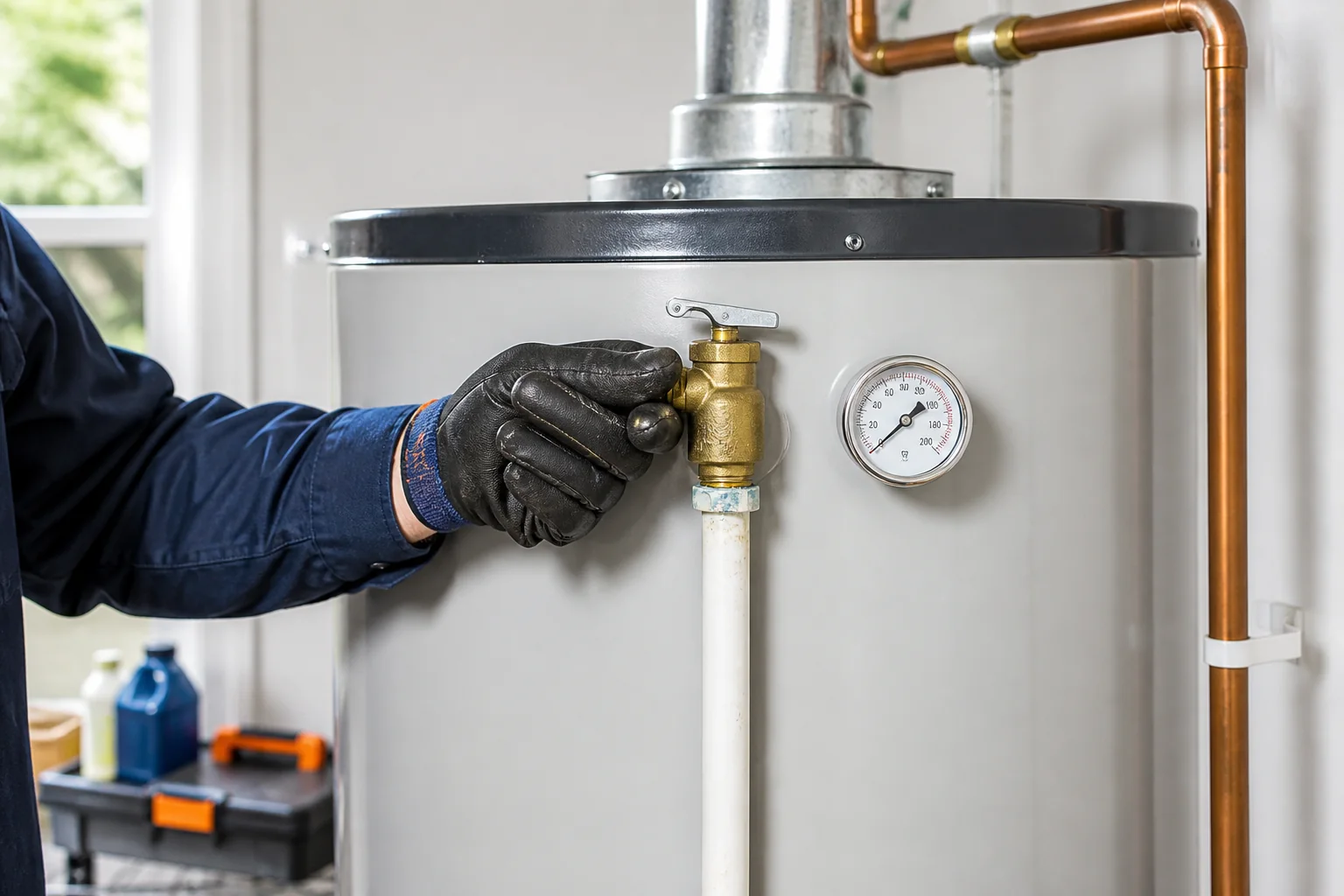
The main Houston water heater repair scope now owns four closely overlapping search intents. Gas units require fuel supply, ignition, burner, draft, venting, and combustion-safety checks. Electric tanks require isolation, wiring handoff, thermostat, limit, and element testing. Tankless units add inlet screens, flow sensors, heat exchangers, condensate, error history, gas or electrical sizing, and manufacturer maintenance. Connection leaks require the source to be traced to a valve, union, flex connector, nipple, discharge line, nearby piping, or the vessel itself before repair is selected.
These equipment and connection variants remain important diagnostic branches, but Houston search results did not support separate competing landing pages. Keeping them on one canonical repair page concentrates relevance while the narrower component, maintenance, pressure, recirculation, commercial, and symptom pages retain their own documented scopes.
How water heater repair is diagnosed in Houston
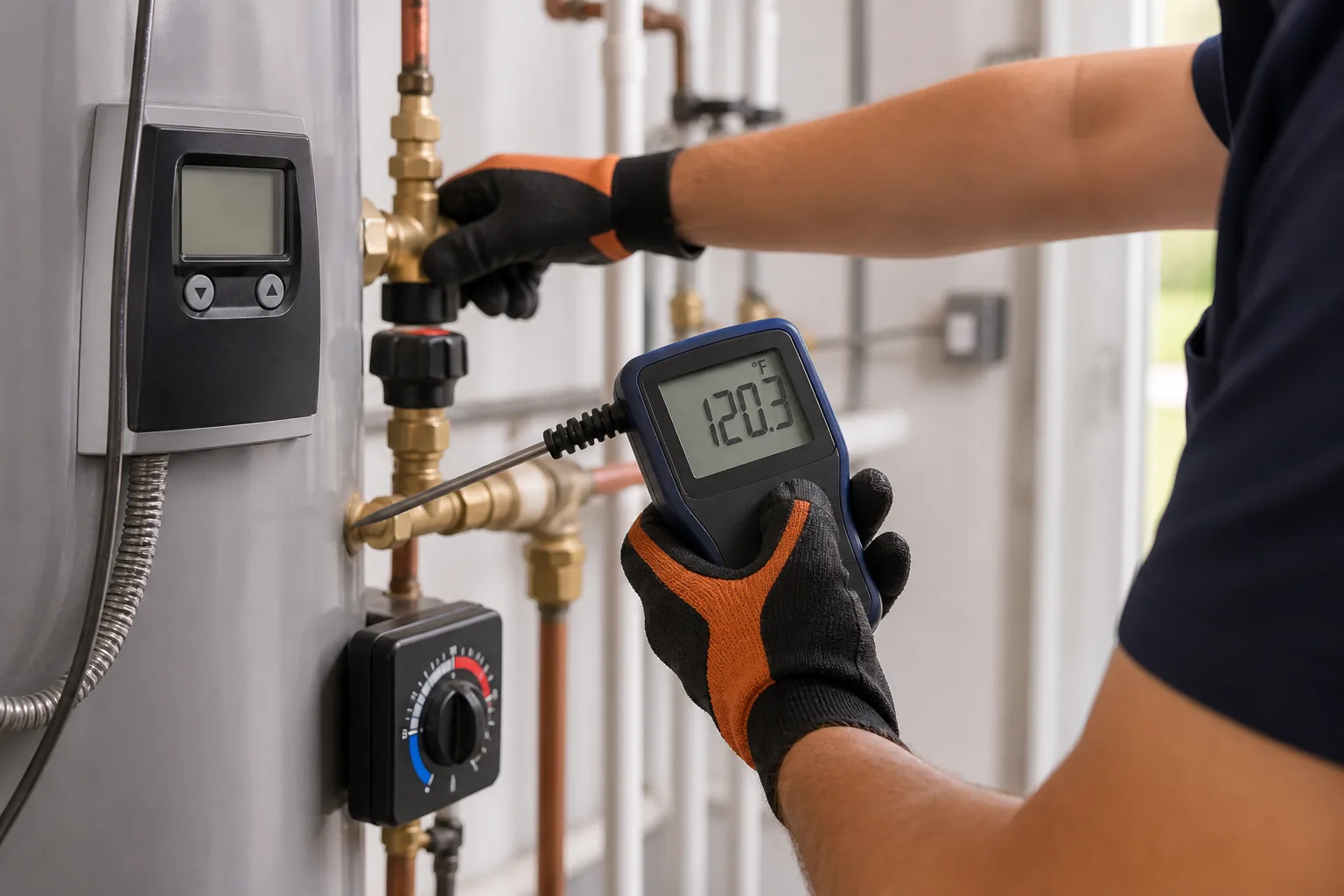
Testing should begin with the reported symptom and proceed through the controls and components capable of creating it. Measurements, visible evidence, operating history, and a complete cycle are more reliable than replacing a likely part by guesswork. Houston attic heat, garage access, utility conditions, long pipe runs, and managed-building shutdowns can change the sequence without changing the need for evidence.
Common causes behind water heater repair
Possible causes include loss of fuel or power, failed controls, worn heating components, ignition trouble, restricted flow, sediment or scale, pressure behavior, leaking connections, venting faults, recirculation problems, and internal vessel damage. For water heater repair, the field findings should identify which part of the heater, controls, safety devices, fuel or power supply, venting, valves, and connected piping actually failed.
Repair and replacement options for this water heater problem
The intended outcome is to identify the failed component and compare a safe repair with replacement. Component repair can make sense when testing identifies a serviceable failure and the vessel remains sound. Replacement deserves comparison when the tank leaks, essential parts are unavailable, unsafe venting or utility work changes the scope, repeated failures indicate broad deterioration, or repair cost is difficult to justify against remaining life.
What affects water heater repair cost in Houston?
Cost changes with equipment type, access, drain-down time, diagnostic testing, compatible parts, warranty status, venting or electrical corrections, recirculation, building shutdowns, permit needs, cleanup, and whether the tank or heat exchanger remains serviceable. The written scope should state what is included and how concealed or additional findings are handled.
What happens during water heater repair?
The work area should be protected before isolation and testing. A serviceable component is replaced or adjusted only after the failed condition is documented. The unit is then restarted under the correct sequence, connections are checked, controls are observed through operation, and any condition outside the approved scope is recorded instead of hidden.
How the completed water heater repair is tested
Verification should show whether the work achieved the goal to identify the failed component and compare a safe repair with replacement. Depending on the system, that can include stable outlet temperature, correct ignition or element operation, safe venting, dry connections, normal pressure behavior, restored circulation, cleared error history, and an explanation of any remaining risk or replacement threshold.